
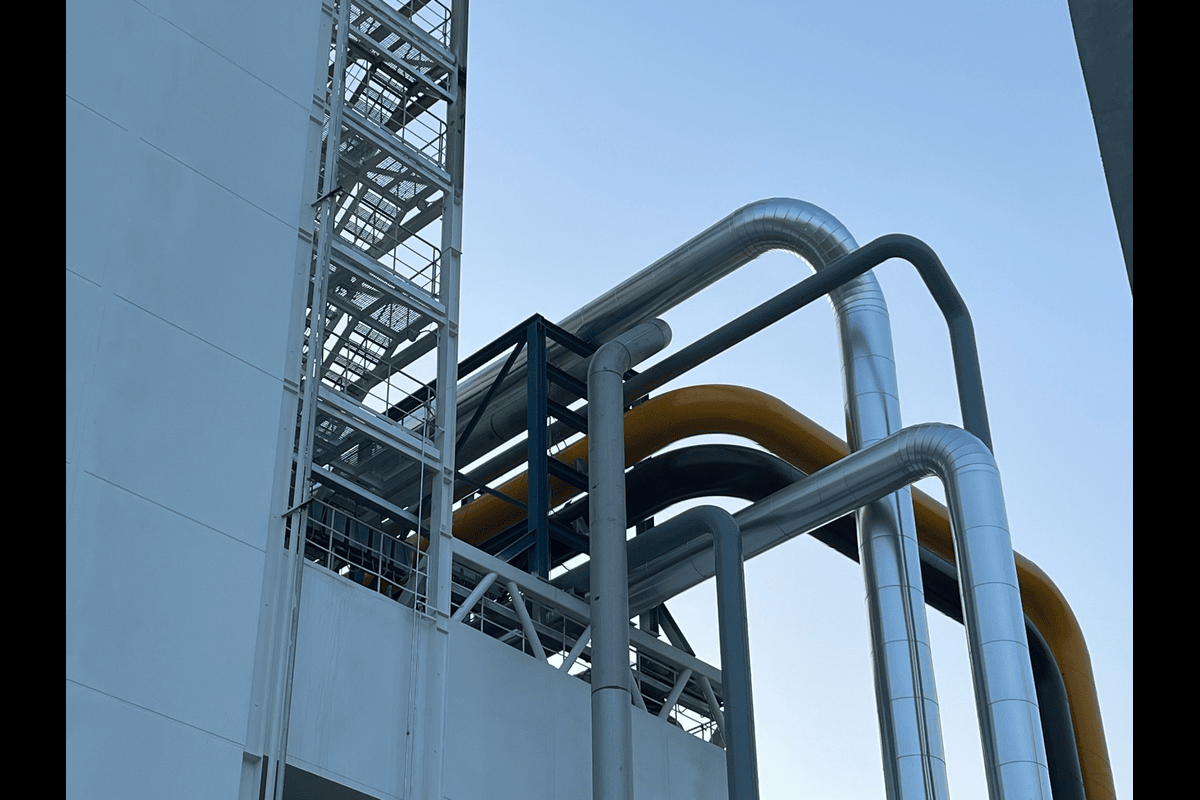
Discover how proper fluid regulation enhances industrial safety, prevents
accidents, and ensures efficient daily operations.
In the complex ecosystem of industrial manufacturing and processing, safety is often visualized
as hard hats, high-visibility vests, and emergency stop buttons. However, one of the most
critical safety components operates unseen within the miles of piping that crisscross facility
floors: fluid regulation. From chemical processing plants to municipal water treatment facilities,
the ability to precisely control the flow, pressure, and temperature of liquids and gases is the
backbone of operational integrity.
When fluid dynamics are uncontrolled, the consequences can be catastrophic—ranging from
minor leaks to massive equipment failures or hazardous environmental spills. Conversely, a
well-regulated system ensures not only the safety of the workforce but also the longevity of
expensive machinery. By understanding the mechanisms behind fluid control, facility managers
and engineers can better appreciate how these systems act as the silent guardians of daily
operations.
Preventing Catastrophic Overpressure Events
The most immediate danger in any fluid transport system is overpressure. Every pipe, tank, and
vessel has a maximum design pressure; exceeding this limit can lead to ruptures, explosions,
and projectile debris. Fluid regulation systems are designed to act as the primary defense
against these scenarios.
Pressure relief valves and regulators constantly monitor the internal force exerted by the fluid.
When pressure spikes due to a blockage, thermal expansion, or pump malfunction, these
devices automatically vent excess fluid to a safe location or containment area. For instance, in
steam boiler operations, a failure to regulate pressure could turn a standard piece of equipment
into a ticking time bomb. By maintaining pressure within specific operational bands, facilities
ensure that the physical integrity of the infrastructure remains intact, protecting personnel
working nearby from potentially lethal blasts or steam burns.
Mitigating Water Hammer and Shock Waves
“Water hammer” is a phenomenon that occurs when a fluid in motion is forced to stop or change
direction suddenly (momentum change). This creates a pressure wave that propagates through
the pipe system, often sounding like a loud hammer blow. While the noise is startling, the
physical impact is far worse—it can crack pipes, blow out gaskets, and damage sensitive
instrumentation.
Effective fluid regulation involves the strategic use of industrial fluid control valves that close
gradually rather than instantly, as well as the installation of water hammer arrestors. These
components cushion the shock of changing flow rates. By dampening these hydraulic shocks,
operators prevent the cumulative stress that eventually leads to catastrophic structural failure. It
is a proactive approach to safety that focuses on eliminating the root cause of mechanical
fatigue before it creates a breach in the system.
Controlling Flow Rates to Prevent Erosion
While high pressure is a known danger, the velocity of the fluid is equally critical. Fluids moving
at excessive speeds can cause erosion, particularly in pipe elbows and joints. This physical
wearing away of the metal wall thins the pipe over time, creating weak points that are prone to
bursting. This is particularly relevant in industries handling abrasive fluids, such as mining
slurries or wastewater containing grit.
Regulation devices restrict flow to velocities that are safe for the specific material of the piping.
Engineers calculate the erosional velocity limit and use flow control devices to ensure the
system operates below this threshold. This aspect of regulation is crucial for long-term safety,
as erosion is often a silent destroyer that goes unnoticed until a leak springs. By managing
velocity, facilities extend the safe service life of their piping networks and reduce the frequency
of high-risk maintenance interventions.
Stabilizing Temperature for Chemical Safety
In many industrial processes, fluids must be kept at specific temperatures to remain stable. For
example, certain chemicals can become volatile or reactive if they get too hot, while others
might crystallize or freeze if they get too cold, leading to blockages that cause pressure build-
ups.
Fluid regulation systems often work in tandem with heat exchangers and thermal sensors to
modulate the temperature of the product. This is vital in sectors like pharmaceuticals and
petrochemicals, where thermal runaway can lead to hazardous chemical releases. Automated
control loops adjust the flow of heating or cooling media based on real-time data, ensuring that
the process fluid remains within a safe thermal window. This prevents the chemical reactions
that could lead to fires, toxic gas generation, or system containment failures.
Reducing Human Error through Automation
Historically, fluid regulation required manual adjustments—operators physically turning wheels
to open or close lines. This introduced a significant margin for human error, such as opening a
valve too quickly or forgetting to close a bypass line. Today, automated fluid regulation plays a
massive role in safety.
Modern systems utilize actuators and smart positioners that respond to digital signals from a
central control room. This automation removes the need for operators to physically access
hazardous areas to make adjustments. If a sensor detects an anomaly, the system can initiate
an automated safety shutdown sequence faster than a human operator could react. By reducing
the need for manual intervention in high-risk zones, facilities significantly lower the injury rates
associated with slips, falls, and exposure to hazardous substances.
Ensuring Environmental Compliance and Containment
Safe daily operations also extend to the environment surrounding the facility. Leaks of oil,
refrigerants, or toxic chemicals can lead to severe ecological damage and heavy regulatory
fines. Fluid regulation systems are the gatekeepers of environmental safety.
High-integrity seals and leak-proof control mechanisms are essential for environmental
stewardship. Advanced regulation systems now include leak detection capabilities that alert
operators to minute pressure drops indicative of a breach. By catching these issues early,
maintenance teams can address the problem before it escalates into a reportable spill. This
proactive containment ensures that the facility operates within the bounds of environmental laws
and maintains its social license to operate.