
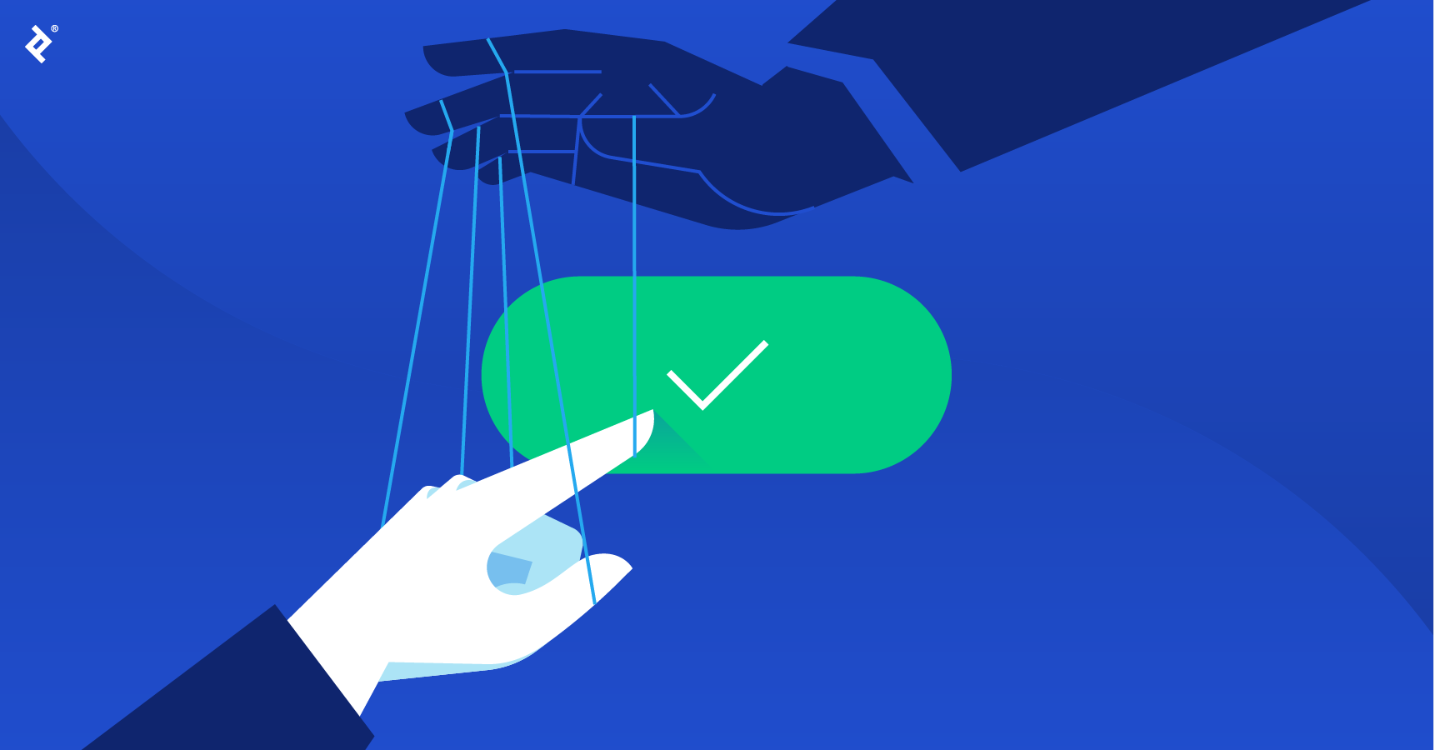
Web design influences behaviour quietly and constantly. Every colour, layout, and interaction
shapes decisions. Designers hold enormous responsibility because of this power. Some
designs guide users helpfully and ethically, while other designs manipulate users deceptively.
These deceptive practices are called dark patterns.
Dark patterns describe design techniques that trick users. These techniques push people
toward actions they did not intend. The intention behind dark patterns focuses on short term
gain. Long term consequences often remain ignored. Brands that rely on dark patterns damage
trust over time. So, ethical awareness must guide modern web design in Geelong (Victoria).
The Origin and Meaning of Dark Patterns
The term dark patterns emerged from user experience research. It describes intentional
manipulation through interface design. These patterns exploit human psychology knowingly.
They rely on confusion and pressure. Users often feel regret after interacting with such designs.
This means dark patterns create negative emotional responses.
Dark patterns differ from poor web design in Geelong. Poor design results from ignorance or
oversight. Dark patterns result from deliberate strategy. Designers use them to increase clicks
or subscriptions. They prioritise metrics over morality. So, the distinction between error and
manipulation matters greatly.
Why Dark Patterns Exist in Modern Websites
Competition fuels aggressive digital tactics. Businesses chase conversions relentlessly and
growth pressure encourages shortcuts. Dark patterns promise these quick results. They boost
signups temporarily and inflate engagement metrics superficially. As a result, decision makers
justify their use.
Some organisations misunderstand user experience principles. They confuse persuasion with
deception. Ethical persuasion respects autonomy, while deception removes choice subtly. So,
misunderstanding ethics leads to harmful web design in Geelong (Victoria).
Dark patterns also persist due to poor accountability. Many users never report deceptive
experiences. Legal frameworks lag behind technology. Designers face little immediate
consequence. As a result, harmful practices continue unchecked.
Common Types of Dark Patterns
Hidden Costs and Sneaky Pricing
Hidden costs represent one of the most common dark patterns. Users see attractive prices
initially. But additional fees appear later during checkout. This surprise creates frustration and
mistrust. Users feel trapped by invested time. So, they complete purchases reluctantly.
This tactic exploits commitment bias. People resist abandoning progress once started.
Forced Continuity
Forced continuity traps users into ongoing payments. Free trials convert into paid subscriptions
automatically. Cancellation processes remain intentionally difficult. Users forget deadlines
easily. Charges appear unexpectedly later. As a result, anger replaces loyalty.
This pattern damages brand relationships deeply. Users feel betrayed rather than valued.
Negative reviews spread rapidly online. Reputation erosion follows quickly.
Confirmshaming
Confirmshaming uses emotional manipulation explicitly. Opt out buttons shame users
deliberately. Wording implies stupidity or fearfulness. Users feel judged by interface language.
This discomfort pressures compliance. So, consent becomes coerced rather than genuine.
Such language damages brand tone permanently. Brands appear arrogant and disrespectful.
Users remember humiliation vividly, and this memory influences future choices strongly.
Misdirection and Visual Tricks
Misdirection uses layout to distract users. Important options appear hidden or muted. Preferred
actions appear large and colourful. Users click unintentionally due to confusion. Designers
exploit visual hierarchy intentionally. As a result, autonomy erodes quietly.
This pattern undermines transparency completely. Users feel deceived once awareness
emerges.
Psychological Mechanisms Behind Dark Patterns
Dark patterns exploit predictable human behaviour. Humans avoid effort instinctively. They fear
loss intensely and respond emotionally before rationally. Designers understand these
tendencies deeply.
Loss aversion plays a central role. Users fear missing opportunities. Countdown timers create
false urgency. Scarcity messages exaggerate demand. These tactics trigger impulsive
decisions. As a result, rational evaluation disappears.
Cognitive overload also contributes significantly. Too many choices overwhelm users quickly.
Overload reduces critical thinking ability. Simplified deceptive options feel comforting. Designers
exploit this vulnerability intentionally.
Social proof manipulation influences decisions strongly. Fake testimonials exaggerate
popularity, and inflated numbers suggest widespread approval. Users follow perceived crowds
instinctively. So, deception spreads through false validation.
Why Dark Patterns Harm Brands Long Term
Short term metrics often hide long-term damage. Dark patterns erode trust gradually. Trust once
broken rarely returns. Users remember negative experiences vividly, and memory shapes future
avoidance behaviour. As a result, lifetime customer value declines.
Brand credibility depends on honesty. Deceptive design contradicts brand messaging. This
contradiction creates cognitive dissonance. Users question authenticity immediately, and doubt
spreads across all brand interactions.
Customer support costs increase significantly. Confused users contact support frequently.
Frustrated users demand refunds aggressively. Staff burnout increases as complaints rise. So
operational expenses climb steadily.
Legal risks also increase over time. Governments scrutinise deceptive practices increasingly.
Regulatory fines damage finances and reputation. Public exposure amplifies backlash
dramatically. As a result, risk multiplies beyond initial gains.
The Ethical Responsibility of Designers
Designers shape digital environments actively. Their decisions influence millions of users. Thus,
ethical responsibility accompanies this influence naturally. Designers must advocate for user
welfare. Silence enables harmful practices.
Ethical design respects user autonomy. It presents choices clearly and avoids manipulation
intentionally. Transparency builds mutual respect. Respect strengthens brand loyalty
organically.
That is why designers must understand ethical frameworks. Awareness prevents harmful
choices.
How Dark Patterns Damage User Experience
User experience depends on trust and clarity. Dark patterns destroy both elements. Confusion
replaces confidence quickly, anxiety replaces comfort during interaction, and users feel
exploited emotionally.
Poor experiences spread through word of mouth. Social media amplifies negative stories
instantly. Public outrage damages perception permanently. Recovery becomes difficult and
expensive.
User experience metrics reveal hidden damage. Bounce rates increase gradually, repeat visits
decline steadily, and engagement metrics distort reality. So, deceptive success masks
underlying failure.
Recognising Dark Patterns as a User
Users can protect themselves through awareness. Recognition reduces vulnerability
significantly. Understanding manipulation empowers resistance. Education benefits consumers
greatly.
Users should read carefully during checkout.
● Unexpected fees indicate deception.
● Complicated cancellation processes signal exploitation.
● Emotional language often signals manipulation.
So, vigilance improves outcomes.
Browser extensions help expose deceptive designs. Public reporting platforms increase
accountability. Awareness movements encourage transparency. Collective action pressures
brands ethically.
Conclusion
Dark patterns hurt brands because users remember how experiences made them feel.
Deception creates resentment rather than appreciation. So, the future belongs to honest web
design in Geelong (Victoria). Ethical choices today shape lasting success tomorrow.
Make My Website can help you further if you need any specific help. Feel free to contact their
team and discuss all your questions.