
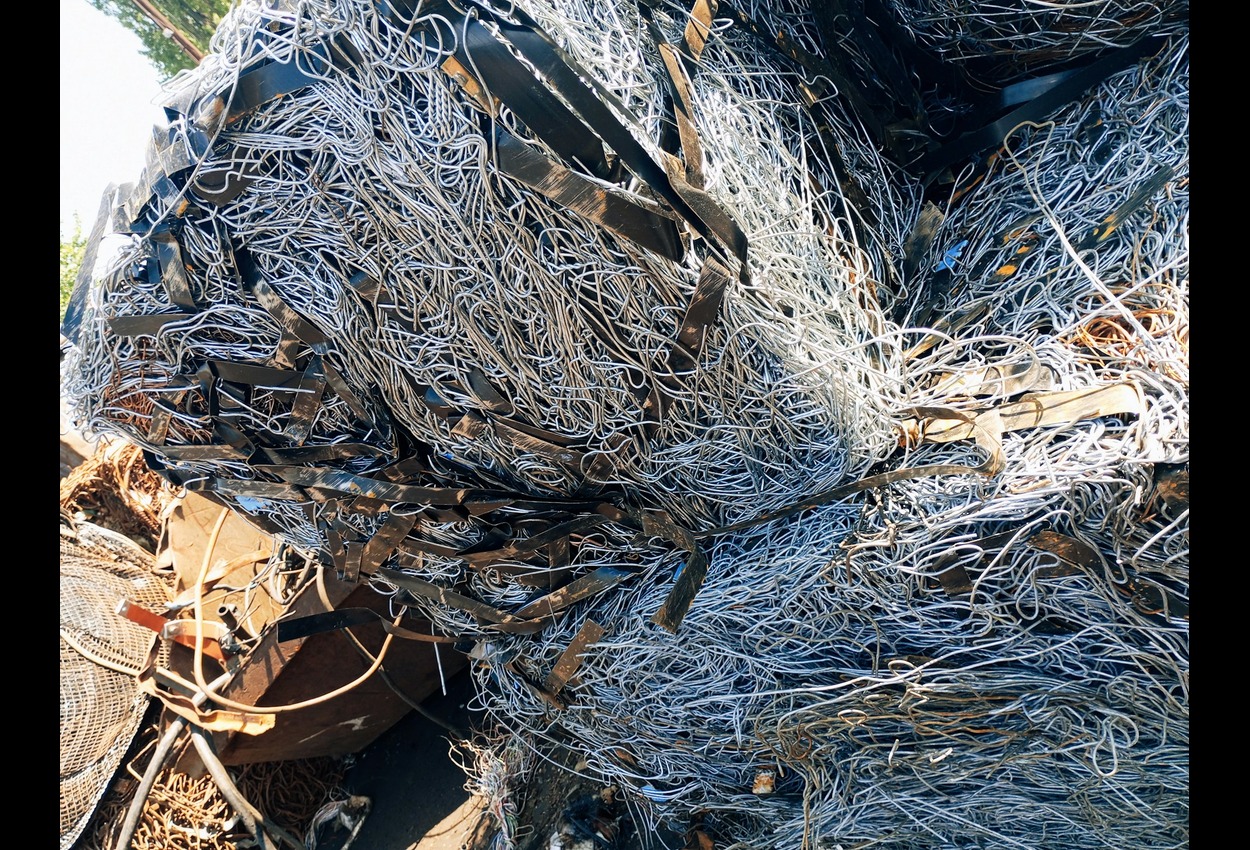
The term Asbestlint fiber has its roots in European industrial history, particularly in German-speaking countries. There, it referred to asbestos-containing tapes and strips. For decades, this material was considered a high-performance insulator and heat shield for demanding industrial environments. Its strength, durability, and resistance to extreme temperatures made it a trusted partner in factories, power plants, and construction projects.
In its heyday, it symbolized technological progress and fire safety. Engineers and technicians used it to protect machinery, seal connections, and insulate pipelines carrying steam or hot gases. At the time, little attention was paid to the long-term health consequences of asbestos fibers, as performance and efficiency were paramount.
Today, Asbestlint fiber no longer enjoys the same esteem. Although it remains a key term in industrial history and safety discussions, it also reminds us how materials once considered powerful and useful can, over time, pose serious risks. Understanding asbestos fiber helps us learn from the past and make better decisions about material safety today.
Origin and Significance of Asbestlint Fibers
The term Asbestlint fiber is a combination of “asbestos” and “fiber.” The name aptly describes the fibers’ form: they were manufactured as a flexible, woven tape that could be easily wrapped or attached. Thanks to its properties, it conformed to uneven surfaces and was therefore extremely practical in industrial environments.
Asbestlint is a naturally occurring mineral known for its resistance to heat, fire, and chemicals. Woven into a tape, it became even more versatile. It could be tightly wrapped around pipes, valves, and connections, providing insulation and protection against heat loss and fire spread.
The popularity of Asbestlint fibers increased rapidly during the industrialization of the 20th century. At that time, there was a high demand for materials that could withstand demanding working conditions. Asbestos fibers perfectly met these requirements and established themselves as a reliable and high-performance industrial solution.
Industrial Uses of Asbestlint
Asbestos was widely used in heavy industry, for example, in power generation, shipbuilding, and manufacturing. One of its main functions was thermal insulation, particularly in environments with temperatures too high for conventional materials. Lining hot pipes with asbestos helped maintain efficiency and reduced the risk of burns for workers.
Another important use of asbestos was fire protection. Because asbestos is difficult to ignite, the material was used in areas where fire resistance was essential. It was frequently used around boilers, furnaces, and exhaust systems to prevent the spread of heat to adjacent components. This made it a key element of safety planning in industrial facilities.
In addition to its insulating and fire-resistant properties, it also served as a sealing material. Its fibrous structure made it possible to fill gaps and prevent leaks in systems that transported steam or hot liquids. This versatility contributed to its widespread use and long-standing application in various industries.
Why was Asbestlint considered so effective?
The strength of asbestos lay in the unique properties of its fibers. These fibers are extremely durable and resistant to physical wear and tear, even under constant exposure to heat and friction. This meant they could last for years without replacement, thus reducing maintenance costs.
Another reason for its excellent reputation was its flexibility combined with its strength. Unlike rigid insulation boards, asbestos fiber could be wound, bent, and shaped as needed. This adaptability facilitated installation and allowed its use in complex systems where rigid materials would fail.
Asbestos fiber also proved its worth under chemical stress. In industrial environments with oils, gases, and chemicals, many materials deteriorated quickly. Asbestos fiber, on the other hand, retained its structure, thus solidifying its reputation as a reliable and durable industrial material.
Health and Safety Risks Associated with Asbestlint
Despite its impressive properties, asbestos harbored hidden dangers that were not fully understood in the early years of its use. The greatest danger stemmed from the asbestos fibers themselves. When handling them, these fibers could be released and inhaled, leading to serious long-term health risks.
Asbestos was particularly hazardous during installation, maintenance, or dismantling. Cutting, tearing, or even the aging of the material could release fine fibers. Workers who regularly handled asbestos were often exposed without adequate protection, as the dangers were not yet widely known.
Over time, science uncovered a strong link between asbestos exposure and serious respiratory illnesses. This discovery fundamentally changed the perception of this material, shifting the focus from its performance to prevention and safety.
Regulations and the Decline in Asbestlint Use
With growing awareness of the health risks of asbestos, governments worldwide began implementing strict regulations. Many countries banned the manufacture and sale of asbestos-containing products, including asbestos fibers. These regulations marked a turning point in the standards for industrial materials.
The decline of asbestos, while gradual, was crucial. Industry was forced to replace asbestos with safer alternatives, and existing facilities had to be carefully managed. Special procedures for handling and disposing of asbestos-containing materials were introduced to prevent the release of fibers.
Today, asbestos fibers are rarely found in new buildings. Their presence is mainly limited to older buildings and industrial facilities. There, asbestos is treated as a hazardous material that must be disposed of responsibly and not reused.
Modern Alternatives to Asbestlint Fibers
The gradual phasing out of the industrial use of asbestos fibers created a demand for safer materials with similar properties. Modern alternatives such as fiberglass and ceramic fiber tapes now perform many of the same functions without the associated health risks. These materials offer excellent heat resistance and are safer to handle.
Advances in materials science have also led to improved insulation solutions that surpass conventional asbestos-based products. These alternatives are durable, flexible, and environmentally friendly, and meet modern safety standards.
This shift demonstrates how innovation can replace even established materials. It underscores the importance of continuous research and adaptation of industrial processes to protect workers and the environment.
The Importance of Education Today
Although asbestos is no longer commonly used, education remains essential. Many older buildings and industrial facilities may still contain asbestos-containing materials, including asbestos. Correct identification and proper handling of these materials are crucial for safety.
Education plays a key role in preventing accidental exposure. Understanding asbestos and its hazards helps in making informed decisions during industrial renovations or maintenance work. This knowledge can prevent serious long-term health consequences.
Asbestos has become a case study in material safety. It reminds us that performance alone is not enough and that long-term health and environmental impacts must always be considered when selecting industrial materials.
In conclusion,
Asbestlint represents both the ingenuity and the shortcomings of industrial history. Once considered a high-performance and reliable solution for insulation and fire protection, it later became a symbol of hidden risks and the need for heightened safety awareness. Its history illustrates how materials can evolve from indispensable tools to regulated hazardous substances as knowledge advances.
Today, it is no longer part of modern construction or manufacturing practices. Instead, it is the subject of education, regulation, and careful management. Safer alternatives have taken its place, demonstrating that innovation can address both performance and health concerns.
This understanding provides us with valuable insights into the importance of handling materials responsibly. Learning from its history helps ensure future solutions.Understanding these connections provides us with valuable insights into the importance of handling materials responsibly. Learning from the history of asbestos helps ensure that future industrial solutions prioritize not only efficiency but also the well-being of people and communities.
Frequently Asked Questions
What was Asbestlint used for in the past?
It was used in the past for insulation, sealing, and fire protection in industrial facilities, especially near high-temperature equipment such as boilers and pipelines.
Is Asbestlint still used today?
In most countries, it is no longer used due to strict regulations and bans on asbestos-containing materials. Its use is now limited to older systems.
Why is Asbestlint considered dangerous?
Asbestos contains asbestos fibers, which pose serious health risks when inhaled. These risks have led to widespread bans and safety regulations.
What should be done if Asbestlint is found in older buildings?
If asbestos is found, it must not be touched. Professional assessment and safe disposal or removal procedures are recommended.
What materials have replaced Asbestlint fibers?
Modern alternatives such as fiberglass tape and ceramic fiber materials have replaced asbestos fibers and offer similar performance without the same health risks.