
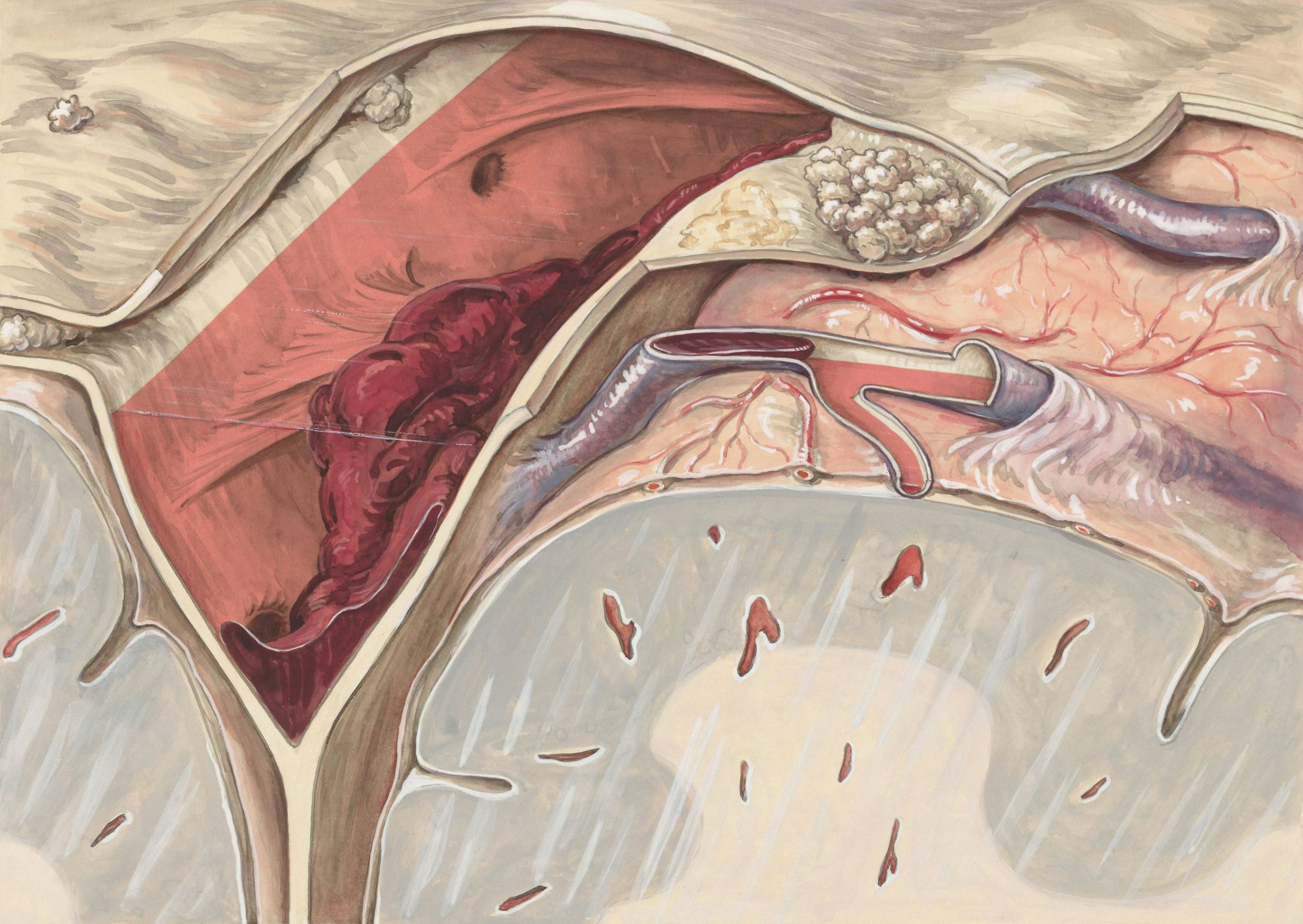
A perianal hematoma is a collection of blood that leaks from a ruptured blood vessel in the anal area. It appears as a bluish swelling near the anus and can be uncomfortable or painful.
These swellings can be mistaken for external hemorrhoids, as both conditions cause painful lumps in the rectum. However, there are differences between the two.
Perianal hematomas can result from the rupture of an external hemorrhoid or from other causes, such as surgery in this area.
Read on to learn more about perianal hematomas, their causes, and treatment options.
What is a perianal hematoma?
A perianal hematoma is a collection of blood that leaks from a ruptured blood vessel in the area around the anus. This blood collects under the skin’s surface, making the characteristic dark blue discoloration visible.
A perianal hematoma can be small or large. They are sensitive to pressure, and the larger they are, the more painful they can become. The pain can intensify if the blood inside begins to clot.
Causes of Perianal Hematoma
A perianal hematoma occurs when a blood vessel ruptures.
The blood vessels around the anus are small and sensitive to pressure. Numerous factors can cause them to rupture. These include:
Lifting heavy objects
Coughing or sneezing
Struggling during bowel movements
Chronic constipation
Anal intercourse
Injuries
Pregnancy or childbirth
Anal surgery, including episiotomies
Ruptured hemorrhoids (trusted source)
Invasive medical procedures such as a proctoscopy
Blood clotting disorders such as hemophilia
Symptoms of a perianal hematoma
The main symptoms of a perianal hematoma are:
Pain
A dark, blue, or purple swelling near the anus
Swelling
Tenderness
Difficulty sitting
Bleeding can also be a sign of a perianal hematoma.
It is important to know that various conditions can resemble a perianal hematoma. In rare cases, a mole or dark skin change near the anus could be skin cancer (trusted source). A doctor can determine the cause of any unusual skin changes.
Treatment of Anal Bleeding
Minor bruises may heal on their own (trusted source). In these cases, treatment focuses on relieving pain and discomfort. This may include:
Applying ointment
Applying cold compresses
Taking a shallow, warm bath
Taking pain relievers, such as over-the-counter nonsteroidal anti-inflammatory drugs (NSAIDs)
Using a seat cushion to relieve pressure
Avoiding activities that may increase pain or pressure, such as straining
Dietary changes may also be helpful. Drinking plenty of water and limiting high-fiber foods immediately after an anal bruise occurs can promote bowel movements.
Larger bruises, which can be very painful, may need to be drained. If treatment is started soon after a perianal hematoma develops, the doctor can administer a local anesthetic, make a small incision, and drain the blood, quickly relieving symptoms.
This procedure, however, leaves a wound that must be kept clean. Therefore, drainage is only performed for hematomas that cause severe pain.
If perianal hematomas recur in the same location, the doctor may recommend surgery, especially if the affected area is scarred. If the tissue is damaged, treating the underlying cause can prevent recurrence.
When to See a Doctor
Anyone who notices painful lumps in the anal area should see a doctor for clarification. The doctor can determine whether it is a perianal hematoma, hemorrhoids, or something else.
It is recommended to see a doctor for any new or unusual lump or skin growth, especially if the following symptoms occur:
Bleeding
Itching
Changes in bowel movements
Swollen lymph nodes
A physical examination and asking about typical symptoms such as discomfort are usually sufficient to diagnose a perianal hematoma.
Summary
A perianal hematoma is a collection of blood due to a ruptured blood vessel near the anus. It can result from the rupture of an external hemorrhoid, an injury, childbirth, or as a complication after surgery in this area.
The main symptoms of a hematoma are pain, swelling, and a dark, tender lump. In most cases, small bruises disappear on their own, but in the meantime, they can cause significant discomfort.
7 Causes of Bumps Around the Anus
Various factors can cause one or more bumps around the anus. These include anal fissures, hemorrhoids, and skin tags.
The anus is the final part of the digestive tract. This is where stool leaves the body.
To better understand your symptoms, it’s advisable to examine your anus and the surrounding area. Be sure to wash your hands thoroughly before and after to prevent the spread of bacteria.
Anal Fissures
Anal fissures are small tears or ruptures in the lining of the anus. They can be caused by hard stools, which can injure the sensitive skin of the anus.
As a fissure begins to heal, a skin tag may form, which feels like a bump.
An anal fissure can cause the following symptoms:
Rectal bleeding, often after bowel movements
A burning or tearing sensation during bowel movements
Pain after bowel movements that can last for several days (trusted source)
Hemorrhoids
Hemorrhoids are enlarged anal tissue. They result from inflammation of the veins in the rectum and anus. These enlargements can be internal or external.
Hemorrhoids are common (trusted source) and affect one in 20 people in the U.S. and about half of all people over 50.
Symptoms of hemorrhoids include:
Painless rectal bleeding
Itching in the anal area
Pain or discomfort in the anal area, especially during and after bowel movements
Swelling around the anus, which can develop into a lump
Pregnant women and older adults are at higher risk of developing hemorrhoids.
Anal Skin Tags
Anal skin tags are growths of excess skin around the anus. They feel like small bumps or thickened tissue.
These skin tags can occur in connection with healing hemorrhoids or anal fissures.
They usually don’t cause any discomfort. However, vigorous rubbing can lead to discomfort or slight bleeding. Larger skin tags can also cause other symptoms.
Pimples
Pimples can form around the anus. This usually happens when one or more anal pores become clogged with sebum and dead skin cells. A clogged pore can fill with pus and form a pimple.
An anal pimple feels like a soft, fluid-filled bump. Irritation can cause pain or discomfort.
It’s important not to squeeze these pimples, as this can lead to infection.
Anal Warts
Anal warts are tissue growths caused by an infection with human papillomavirus (HPV).
Anal warts can be small, 5 millimeters or less (trusted source). However, they can grow and sometimes extend through the anus. They are usually skin-colored.
Symptoms of anal warts include:
Bleeding
A feeling of fullness or discomfort in the anal area
Itching
Mucus discharge
Read more about anal warts.
Molluscum contagiosum (skin redness) Molluscum contagiosum is a viral infection that leads to the formation of skin lesions called papules.
The bumps can be:
Transparent
Yellow
Skin-colored
Red
Pink
They are firm, usually smooth, and dome-shaped.
When molluscum contagiosum is contracted through sexual contact, these lesions typically appear (trusted source) in the following locations:
Lower abdomen
Thighs
Anus
Genital area
There may be only a few or many nodules of varying sizes.
Learn more about molluscum contagiosum.
Anal cancer is characterized by the presence of cancer cells in the anus. These cells can accumulate and form a lump, but this is not always the case.
Anal Cancer
Anal cancer is characterized by the presence of cancer cells in the anus. These cells can accumulate and form a lump or tumor, but this is not always the case.
Other signs of anal cancer include:
Changes in bowel movements, such as very loose stools
Discharge from the anal area, which may be mucousy
Pain in the anal area
Bleeding from the anus
Itching in the anal area
Swollen lymph nodes in the groin
If you notice any of these symptoms, see a doctor. They may refer you to a gastroenterologist, who will perform an examination and recommend further tests. When to See a Doctor
A doctor should be consulted if you experience the following symptoms:
Unexplained changes in bowel movements
Frequent pain or discomfort in the rectal area, especially during bowel movements
Purinary discharge from a lump in the anal area
Symptoms of a systemic infection, such as… Symptoms:
Fever
Swelling
Redness or discoloration of the area
Increased blood on the toilet paper
Diagnosis
The doctor will ask about your symptoms and perform a visual and physical examination of the anus.
The doctor may be able to identify the problem through visual examination alone or may need to take a small tissue sample for analysis.
The doctor may recommend further tests, such as a sigmoidoscopy or colonoscopy. In these procedures, a thin, lighted tube with a camera is inserted into the anal canal to look for signs of health problems.
A colonoscopy can help determine if an abnormality extends to the lower digestive tract.
Frequently Asked Questions
Here you will find answers to frequently asked questions about anal lumps.
How do I get rid of an anal lump?
Treatment depends on the cause of the lump.
A sitz bath in a shallow tub of warm water can relieve discomfort.
You can also try the following measures to reduce discomfort from anal lumps:
Eat a high-fiber diet.
Drink plenty of water.
Avoid straining during bowel movements.
Don’t rub the area after a bowel movement.
Avoid using perfumed soaps and other products.
However, it is important to see a doctor for a diagnosis and treatment recommendation.
Will a hemorrhoid disappear on its own?
Hemorrhoids sometimes disappear after a few days without treatment.
Doctors often recommend using over-the-counter products such as creams, ointments, or suppositories for a week (trusted source). If symptoms persist or side effects such as dry skin occur, your doctor may recommend other treatments.
What does a hemorrhoid look like?
External hemorrhoids protrude from the anus and are small, round, and bluish-purple.
Is it normal to have a lump on the anus? Yes, lumps on the anus are not uncommon. However, it is recommended to consult a doctor if you notice a new lump.
Summary:
Various conditions can lead to the formation of a lump on, in, or around the anus. Most of these causes are treatable, but some are more serious than others. Persistent bleeding or discomfort in the anal area should not be ignored.
If you experience changes in bowel movements, bleeding in the anal area, or severe pain, you should consult a doctor.