
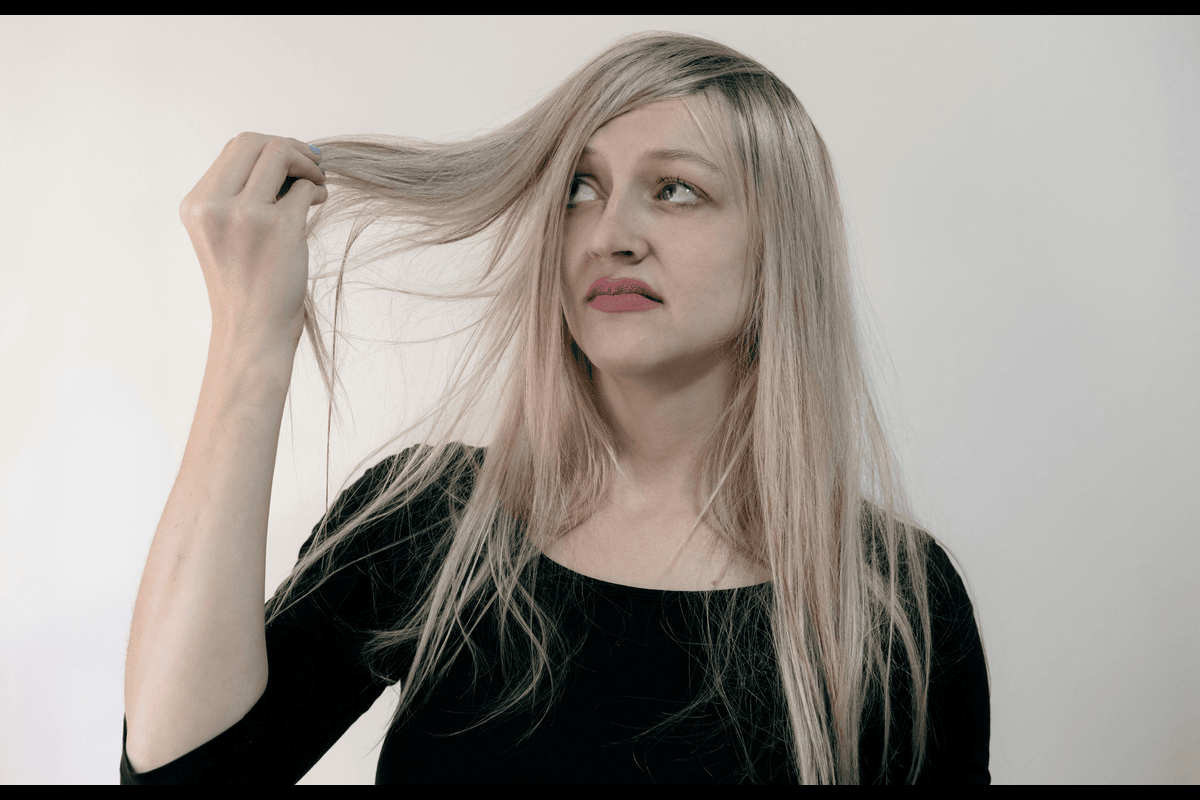
As we age, our hairline changes. It’s perfectly normal for it to shift slightly upward over time. This is because hair growth naturally slows down with age, and the hair follicles at the temples tend to become less active. For many people, especially men, this gradual change is simply a part of aging.
There is a difference between a mature hairline and a receding hairline. A mature hairline is a sign of adulthood and usually appears in late teens or early twenties. The hairline recedes slightly and becomes more defined. This is not a cause for concern, as it usually stabilizes afterward.
A receding hairline, on the other hand, continues to recede over time. It is often associated with androgenetic alopecia, also known as hereditary hair loss. In fact, up to 50% of men experience this type of hair loss by age 50. Most people notice a receding hairline and thinning hair at the temples. Hair loss often manifests differently in women. They may not have a pronounced receding hairline, but they may still notice thinning hair.
Common patterns of a receding hairline include thinning at the temples, where the hair becomes noticeably finer near them. Another common pattern is the M-shaped hairline, where the hair recedes more at the temples than in the center, creating an “M” shape on the forehead. These patterns are typical signs of a receding hairline and are not solely related to age.
Causes of a Receding Hairline
The scalp has hundreds of thousands of hair follicles that are constantly growing, shedding, and replacing old hairs. Losing some hair every day is normal. However, if hair follicles are damaged or the natural growth cycle is disrupted, hair will not grow back properly, and a receding hairline may develop.
Summary of the main causes:
- Genetics
Family history plays a significant role. If your parents or grandparents experienced hair loss, it is very likely that you will too. This hereditary predisposition affects men and women equally. With a family history of hair loss, hair follicles can gradually shrink until they stop producing new hair. The timing of hair loss often coincides with that of previous generations. - Hormonal changes
Hormones have a major influence on hair growth. In men, the hormone dihydrotestosterone (DHT) can bind to hair follicles and shrink them, resulting in thinner, weaker hair. Hormonal fluctuations can also trigger hair loss in women. For example, many women notice hair thinning during menopause, when estrogen levels decline, even though the hairline generally remains unchanged. - Aging
With age, the natural hair growth cycle slows down. Hair follicles produce less hair and sometimes stop growing altogether. With age, hair can also become thinner and weaker, or even change color. - Lifestyle Factors
Your daily habits affect the health of your hair more than you might think. Stress, an unhealthy diet, smoking, and lack of sleep can weaken hair follicles and lead to hair loss. Over time, these habits can accelerate hair loss. - Medical Conditions
Certain medical conditions can also trigger hair loss. In alopecia areata, for example, the immune system attacks the hair follicles. Participating in clinical trials for alopecia areata can help researchers develop new treatment options and better understand this condition. Additionally, thyroid disorders can disrupt hormonal balance, and scalp infections can damage the skin and inhibit hair growth. - Medications
Some medications used to treat conditions such as high blood pressure, depression, or cancer can cause hair loss as a side effect. If your hairline has changed after starting a new medication, you should consult your doctor.
Early Signs and Symptoms
Recognizing the early signs of hair loss allows you to act promptly and consider effective treatment options.
Gradual thinning at the temples or forehead: This is often the first visible sign, indicating a receding hairline. Wider part: The space between your part and hairline may become more visible, suggesting lower hair density. Increased hair loss: Finding more hair on your pillow, comb, or in the shower can be an early sign of hair loss. Changes in hair texture or density: Your hair may feel thinner, and your scalp may become more visible over time.
How to Prevent Hair Loss
If you’re wondering how to prevent hair loss, the best approach depends on your hair type, overall health, and personal needs. Here are some common options that can help preserve and restore your hairline:
Medications
Both over-the-counter and prescription medications can help slow or reverse hair loss. Minoxidil and finasteride treatments are common, sometimes combined with ketoconazole shampoo or, off-label, with dutasteride for added benefit.
PRP (Platelet-Rich Plasma) Therapy
PRP therapy uses your own blood to stimulate hair growth. Platelets are separated and injected into the scalp to naturally stimulate hair follicles.
Hair Transplantation
This procedure involves transplanting healthy hair follicles from one area of the scalp to areas with thinning hair. The treatment offers permanent results but may not be suitable for everyone.
Red Light Therapy
Low-dose red light therapy promotes blood circulation in the scalp and stimulates hair growth. It is a painless treatment that can be performed in clinics or at home.
Hairstyle Options
A new hairstyle or the use of wigs and hair extensions can enhance your appearance while you explore long-term treatment options.
In addition to FDA-approved options such as minoxidil, finasteride, and phototherapy, your doctor may suggest other methods, such as hormone therapy.
Different Types of Alopecia and Hair Loss
Below are some of the most common forms of hair loss:
Androgenetic alopecia
Alopecia universalis
Cicatricial alopecia
Frontal fibrostigmatic alopecia
Retrograde alopecia
Traction alopecia
Folliculitis decalvans
Conclusion:
In summary, receding hairlines are common and can have a genetic cause. This can be due to aging, the effects of age, or underlying medical conditions. Early detection and timely treatment can slow or even reverse hair loss. Medical treatments, lifestyle changes, or participation in clinical trials may offer hope for healthier, fuller hair.
Frequently Asked Questions
Is receding hairline genetic?
Yes, receding hairlines are primarily genetic and can be inherited from either parent. However, factors such as aging, stress, diet, and certain styling habits can also contribute to or worsen hair loss.
Can a receding hairline grow back?
A receding hairline can often be improved with the right treatment. This may include medical treatments, natural methods, or a combination of both.
Can high testosterone levels cause hair loss?
Yes, high testosterone levels can indirectly cause hair loss. When testosterone is converted into its more potent form, dihydrotestosterone (DHT), it binds to hair follicles. This causes them to gradually shrink and produce thinner hair, which can eventually lead to hair loss.
What is Stage 2 of a receding hairline?
Stage 2 of a receding hairline, often called a “mature” hairline, shows a slight, symmetrical decrease in hair length at the temples. The hairline begins to take the shape of an “M”, marking the first visible signs of hair loss.