
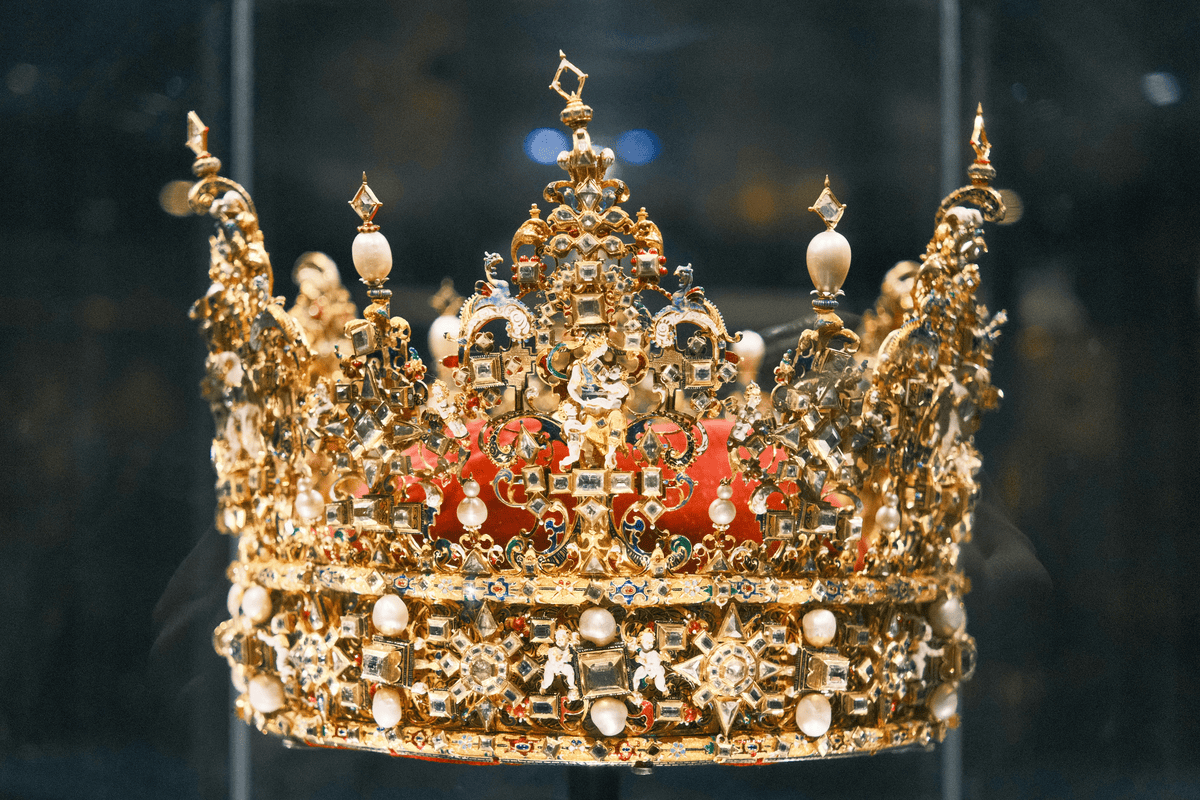
What is the NWBKA Crown?
The Crown NWBKA is the highest honor for beekeepers within the Northwest Beekeepers Association. This prestigious award recognizes beekeepers who demonstrate exceptional skill, dedication, and knowledge in the art of beekeeping. The crown symbolizes excellence in beekeeping and is a testament to years of hard work and commitment to sustainable beekeeping practices.
When we talk about the NWBKA Crown, we’re talking about much more than just an award. It’s a comprehensive program that brings together passionate beekeepers from across the Northwest. They all share a common goal: to protect bee populations while producing high-quality honey and other bee products. For decades, the association has supported beekeepers, both beginners and experienced, helping them improve their craft through ongoing training, mentorship, and community support.
The program focuses on several key areas, including bee health management, sustainable practices, and public outreach. Members learn advanced techniques for hive inspection, disease prevention, and seasonal bee care. According to our blog, understanding local beekeeping associations is crucial for anyone serious about beekeeping.
History and Founding of the NWBKA of the Crown
The Northwest Beekeepers Association (NWBKA) was founded in the early 20th century when local beekeepers recognized the need for organized education and support. Later, the NWBKA Crown Award was established to honor members who had distinguished themselves in their beekeeping endeavors. The founding members sought to create a standard of excellence that would inspire future generations.
Throughout its history, the association has adapted to changing agricultural practices and environmental challenges. Early beekeepers faced different obstacles than today’s beekeepers, but its core mission has remained unchanged. The organization has grown from a small group of enthusiasts to a thriving community with hundreds of active members across several counties.
Over the decades, the Crown NWBKA has continued to evolve, incorporating modern beekeeping techniques while respecting traditional knowledge. The association played a vital role during critical periods when bee populations were threatened by disease, pesticides, and habitat loss. Its members worked tirelessly to develop better management practices and promote bee-friendly policies.
Era – Key Developments – Membership
1900–1950 Foundation and Traditional Methods: 50–100
1950–1980 Modernization and Research: 200–400
1980–2010 Focus on Disease Management: 500–800
2010–Present Sustainability and Conservation: 1000+
How can I become a Crown NWBKA member?
Becoming a Crown NWBKA member requires more than just paying dues. It demands a genuine interest in beekeeping and a willingness to learn continuously. Interested individuals begin by attending introductory events where they meet experienced beekeepers and learn more about the association’s values and expectations. These initial meetings provide a realistic perspective on beekeeping, moving beyond often romanticized notions.
The application process includes demonstrating basic knowledge of bee biology, hive management, and safety regulations. New members typically begin with a mentorship program, where experienced beekeepers guide them through their first season. This hands-on approach ensures everyone establishes a solid foundation before managing bee colonies independently.
Most importantly, however, prospective members commit to ethical beekeeping practices. The Crown NWBKA prioritizes quality over quantity, focusing on colony health rather than maximizing honey production. Members agree to adhere to specific guidelines regarding hive placement, treatment methods, and documentation. The association also requires participation in continuing education events and community service activities throughout the year.
The main benefits of membership include:
Regular workshops on advanced beekeeping techniques
Access to shared equipment and honey extractors
Discounts on beekeeping supplies and equipment
Mentorship programs to develop your skills
Networking opportunities with other beekeepers
Annual conferences with industry experts
Insurance options for beekeeping-related activities
Support in marketing honey and bee products
Up-to-date research on the latest beekeeping practices
The social aspect is also important. Beekeeping can be isolating if you are the only beekeeper in your neighborhood. The Crown NWBKA offers a community where members share successes, solve problems, and celebrate their passion for beekeeping together. Monthly meetings become key moments where friendships are forged through shared experiences with these fascinating insects.
Crown NWBKA Training Programs
Continuous education is the foundation of the Crown NWBKA’s mission. The association offers structured training programs for beekeepers of all experience levels. Beginner courses teach the fundamentals of bee biology, hive construction, seasonal care, and safety precautions. These basic courses last several weeks and include theoretical instruction and hands-on exercises with live hives.
Advanced courses delve deeper into topics such as queen rearing, swarm management, and honey harvesting techniques. Participants learn to interpret bee colony behavior, identify potential problems early, and make informed decisions. The program also includes disease diagnosis, where participants learn to recognize the signs of Varroa mites, American foulbrood, and other common diseases.
The National Beekeepers’ Association of Great Britain (NWBKA) offers advanced training in specialist areas such as breeding programs, commercial beekeeping, and integrated pest management. Experienced beekeepers from the association share their expertise in intensive workshops that can last entire weekends. These events typically include hands-on demonstrations, case studies, and problem-solving exercises that prepare participants for virtually any situation they may encounter.
Sustainable Beekeeping Practices in the Crown NWBKA
For the Crown NWBKA, sustainability is not just a buzzword, but a fundamental principle. Members learn to work with nature, rather than against it, creating environments where bees can thrive naturally. This philosophy extends from the choice of hive location to treatment methods. The association promotes practices that support the long-term health of bee colonies, rather than short-term solutions that could harm them or contaminate the honey.
A strong emphasis is placed on chemical-free management approaches. While the Crown NWBKA does not prohibit approved treatments when necessary, it prioritizes integrated pest management. This involves using physical barriers, genetic selection, and natural behaviors to control pests and diseases. Members learn alternatives to chemical agents, such as using mesh bottom boards, employing sugar pollination techniques, and eliminating drone brood.
Habitat conservation plays a crucial role in the association’s sustainability efforts.
Members participate in initiatives to protect native plants, thereby creating food sources during the beekeeping season. The NWBKA’s coordinating organization collaborates with local organizations to establish wildflower meadows, pollinator gardens, and nature reserves. These measures benefit not only honeybees but all pollinators in the region, contributing to a healthier ecosystem.
The main benefits of membership are:
Regular workshops on advanced beekeeping techniques
Access to shared equipment and honey extractors
Discounts on beekeeping supplies and equipment
Mentorship programs to develop your skills
Networking opportunities with other beekeepers
Annual conferences with industry experts
Insurance options for beekeeping-related activities
Support in marketing honey and bee products
Up-to-date research on the latest beekeeping practices
The social aspect is also important. Beekeeping can be an isolating process if you are the only beekeeper in your neighborhood. Crown NWBKA offers a community where members share successes, solve problems, and celebrate their passion for beekeeping together. Monthly meetings are important opportunities to forge friendships through shared experiences with these fascinating insects.
Crown NWBKA Training Programs
Continuous learning is the foundation of Crown NWBKA’s mission. The association offers structured training programs for beekeepers of all experience levels. Beginner courses teach the fundamentals of bee biology, hive construction, seasonal care, and safety precautions. These basic courses last several weeks and include theoretical instruction and hands-on exercises with live bee colonies.
Advanced courses delve deeper into topics such as queen rearing, swarm management, and honey harvesting. Participants learn to interpret bee colony behavior, identify potential problems early, and make informed decisions. The program also includes disease diagnosis, where participants learn to recognize the signs of Varroa mites, American foulbrood, and other common diseases.
The National Beekeepers’ Association of Great Britain (NWBKA) offers advanced training in specialist areas such as breeding programs, commercial beekeeping, and integrated pest management. Experienced beekeepers from the association share their expertise in intensive workshops that can last entire weekends. These events typically include hands-on demonstrations, case studies, and problem-solving exercises that prepare participants for virtually any situation they may encounter.
Sustainable Beekeeping Practices in the Crown NWBKA
For the Crown NWBKA, sustainability is not just a buzzword, but a fundamental principle. Members learn to work with nature, rather than against it, creating environments where bees can thrive naturally. This philosophy extends from hive location selection to treatment methods. The association promotes practices that support the long-term health of bee colonies, rather than short-term solutions that could harm them or contaminate the honey.
A strong emphasis is placed on chemical-free management approaches. While the Crown NWBKA does not prohibit approved treatments when necessary, it prioritizes integrated pest management. This includes the use of physical barriers, genetic selection, and natural behaviors to control pests and diseases. Members learn alternatives to chemical agents, such as the use of mesh bottom boards, sugar pollination techniques, and drone brood removal.
Habitat conservation plays a crucial role in the association’s sustainability efforts. Members participate in initiatives to protect native plants, thereby creating food sources during the beekeeping season. The NWBKA’s coordinating organization collaborates with local organizations to establish wildflower meadows, pollinator gardens, and nature reserves. These measures benefit not only honeybees but all pollinators in the region and contribute to a healthier ecosystem.
NWBKA Group Competency Standards
Competition within the NWBKA group motivates members to continually improve their beekeeping skills. The annual honey exhibition includes categories for extracted honey, honeycomb, beeswax products, mead, and photography. Judges evaluate entries based on strict criteria such as clarity, color, moisture content, and presentation. To win, meticulous attention to detail is required, reflecting the overall quality of the beekeeping operation.
In addition to the honey competitions, the coordinating organization, NWBKA, recognizes outstanding achievements in bee colony management through hive inspections. Judges visit the hives to assess the health of the colonies.
Health and Safety Standards at Crown NWBKA
Safety is a top priority at Crown NWBKA. All members receive training on the proper use of personal protective equipment (PPE), including the correct use of veils, gloves, and beekeeping suits. The association emphasizes that while experienced beekeepers can work with minimal PPE, beginners should always prioritize safety. Understanding bee behavior helps members work safely, minimizing the risk of stings to themselves and others.
Allergy reaction protocols are an essential part of safety training. All members learn to recognize the symptoms of severe allergic reactions and how to respond appropriately in an emergency. Crown NWBKA recommends that all beekeepers carry epinephrine auto-injectors and inform their families about their beekeeping activities. Regular safety workshops review first aid procedures and inform members about best practices for treating bee-related injuries.
Biosecurity measures protect the health of bee colonies throughout the association. The NWBKA Crown enforces strict regulations for transporting equipment between apiaries, inspecting acquired bees, and reporting disease outbreaks. Members learn quarantine procedures for new bee colonies and proper disinfection of shared equipment. These measures help prevent the spread of disease and maintain the health of bee populations in the region.
The NWBKA Umbrella Organization and Environmental Protection
Environmental protection is a core component of the NWBKA Umbrella Organization’s work. Members understand that healthy bee populations depend on diverse, pesticide-free landscapes. The organization actively promotes organic horticulture practices and advocates for reduced chemical use in agriculture. Through collaborations with environmental groups, the NWBKA Umbrella Organization contributes to the restoration of degraded habitats and the creation of pollinator corridors that connect isolated bee populations.
Climate change presents new challenges to the NWBKA’s Umbrella Organization, which addresses them with adaptive management strategies. Members observe how changes in weather patterns affect flowering times, nectar flow, and the behavior of bee colonies. The association collects data on these changes, contributing to broader research initiatives on pollinator responses to environmental changes. This information helps beekeepers adapt their practices and informs policy decisions on conservation priorities.
Water conservation measures complement the NWBKA’s environmental mission. Members learn how to provide clean water sources for their bees while minimizing waste. The association promotes rainwater harvesting, drip irrigation for beekeepers, and the conservation of natural waterways that support wildlife diversity. These practices demonstrate how beekeeping is integrated into the overall health of the ecosystem, rather than existing as an isolated activity.
Crown NWBKA’s Vision for the Future
Crown NWBKA continues to expand its educational offerings and community outreach. Plans include developing online learning modules for members unable to attend in-person events. Virtual workshops and webinars will make expert knowledge accessible to rural beekeepers and anyone with limited time. The association believes that technology can complement, but not replace, the hands-on learning that makes beekeeping so special.
Engaging young people is another key focus for Crown NWBKA. The association develops specific programs for young beekeepers. These initiatives include school collaborations, youth competitions, and mentorship programs where experienced beekeepers guide young people. Training the next generation of beekeepers ensures the continuity of this profession for decades to come.
Collaborative research will play an increasingly important role, as the NWBKA Crown works with universities and research institutions. Members participate in citizen science projects investigating bee health, genetics, and behavior. The data collected contribute to the development of management recommendations while expanding the scientific understanding of these vital pollinators. The future of the association lies in being recognized not only as an educational institution but also as a valuable contributor to pollinator research.
Key Findings
The NWBKA Crown represents excellence in beekeeping through the Northwest Beekeepers Association.
Membership provides access to training, equipment, and a supportive community of fellow beekeepers.
Sustainable practices and environmental protection are among the association’s core values.
Comprehensive educational programs have been designed for beekeepers of all experience levels, from beginners to experts. Through community service activities, the association’s impact extends beyond its members. Safety protocols and biosecurity measures protect both beekeepers and bee colonies. Competitions and recognition programs encourage the continuous improvement of beekeeping skills. Future initiatives will focus on engaging young people, integrating technology, and collaborating on research.
Conclusion:
The NWBKA is a benchmark of excellence in modern beekeeping. Through its comprehensive programs, supportive community, and commitment to sustainable practices, the association helps its members thrive while contributing to environmental protection. Whether you are starting out in beekeeping or looking to refine your skills, the NWBKA offers resources and support that can make the difference between difficulty and success.
The association’s focus on education, safety, and environmental protection helps beekeepers become expert stewards of these vital pollinators. Given the ever-changing challenges facing bee populations, organizations like the NWBKA are becoming increasingly important. They provide the knowledge, community, and advocacy needed to ensure healthy bee populations for future generations.
For anyone passionate about bees, honey, and environmental protection, NWBKA membership is an investment in personal growth and environmental health. The friendships, knowledge, and experiences gained through membership last a lifetime and contribute to something much larger than individual success in beekeeping.
Frequently Asked Questions
What does NWBKA stand for?
NWBKA stands for Northwest Beekeepers Association, a regional organization dedicated to supporting beekeepers in the Pacific Northwest through education, resources, and community development.
How much does NWBKA membership cost?
Dues vary by category (individual, family, student) but typically range from $25 to $75 per year. This includes access to all workshops, meetings, and resources throughout the year.
Do I need prior experience to join Crown NWBKA?
No prior experience is required. The association warmly welcomes beginners and offers comprehensive training programs to ensure a safe and successful start for new beekeepers.
What equipment do I need to get started in beekeeping through Crown NWBKA?
Basic equipment includes a beehive, protective clothing, a smoker, and a hive tool. The association’s loan library allows members to try out various equipment before purchasing. Group orders help reduce initial costs.
How many hives should I start with?
Most Crown NWBKA mentors recommend starting with two hives. This allows for comparing different colonies and provides a backup in case one fails. At the same time, the number of hives is manageable for beginners learning proper beekeeping techniques.
Does Crown NWBKA support honey sales?
Yes, the association offers marketing support, connects its members with local buyers, and provides guidance on labeling requirements, pricing strategies, and how to build customer relationships for selling honey.